Are summer power bills climbing even when your A/C runs nonstop? In Greenback’s mixed‑humid East Tennessee climate, smart upgrades can make your home cooler, quieter, and more affordable to operate. Whether you plan to stay and enjoy lower bills or prep for a future sale, a focused approach helps you get the best return. In this guide, you’ll learn which projects matter most in 37742, how to find incentives, and how to document your improvements for resale. Let’s dive in.
Start with an energy audit
A professional energy audit shows you where your home is leaking air, losing cool air to the attic, or wasting energy. Ask for a blower door test and, if possible, infrared imaging. Look for Building Performance Institute (BPI) or RESNET/HERS credentials.
Use the audit to build a plan. Tackle low-cost, high-impact items first, then move to larger projects. Check utility and federal incentives before you buy equipment because many programs require pre-approval.
Keep all paperwork. Save audit reports, invoices, product specs, and contractor certifications. These records help with rebates and future resale.
Quick wins with big impact
Air sealing and duct sealing
Sealing gaps around attic penetrations, rim joists, and ducts can deliver some of the best dollar-for-dollar results in our climate. Less hot attic air sneaks in during summer, so your A/C runs less and comfort improves. Ask for before-and-after blower door and duct leakage tests, and hire a qualified contractor.
Attic insulation and ventilation
In Greenback, controlling attic heat gain is essential. Adding insulation and sealing bypasses can reduce cooling load and stabilize indoor temperatures. Pair insulation with proper attic ventilation and do not block soffit vents. Air sealing first, then insulation, gives the best results.
Smart thermostats and controls
A quality smart or programmable thermostat can cut heating and cooling use by single-digit to low double-digit percentages for many homes. Schedule temperature setbacks and use geofencing so your system eases off when you are away. Confirm compatibility with heat pumps or multistage systems.
LED lighting and efficient appliances
Swap old bulbs for LEDs. They use about 75 to 80 percent less energy and last longer. When replacing appliances, choose ENERGY STAR models, especially refrigerators, laundry equipment, and heat pump water heaters.
HVAC upgrades that fit East Tennessee
Maintain and tune your current system
Simple maintenance can restore lost efficiency. Replace filters on schedule, clean coils, and have a technician verify refrigerant charge and airflow.
Consider a modern heat pump
Air-source heat pumps perform well in Tennessee and provide efficient cooling and heating. Many homeowners see lower energy use compared with older systems or electric resistance heat. If you plan a replacement, combine it with air sealing and insulation so the new system can be right-sized.
Right-size with a proper load calculation
Oversized systems cycle on and off and can feel clammy in humid weather. Ask your installer for a Manual J load calculation. Seek NATE-certified technicians or installers who can show strong heat pump experience.
Manage sun and moisture
Windows and shading
If your windows are older but still functional, consider shading solutions before full replacement. Awnings, trees, reflective films, and low-e storm options can cut solar gain. Full window replacement can be costly with a long payback, so prioritize attic, air sealing, and HVAC upgrades first unless windows are failing.
Roofing and attic heat control
Exterior measures help fight summer heat. Light-colored roofing, radiant barriers, and correct attic ventilation reduce heat buildup. Always maintain a clear path for soffit-to-ridge airflow to manage moisture and temperature.
Hot water efficiency
Heat pump water heaters
Heat pump water heaters can significantly reduce water heating energy compared with standard electric tanks. They work well in many East Tennessee homes, especially when placed in areas that can benefit from the cooling and dehumidification they provide.
Point-of-use improvements
If long plumbing runs waste hot water, explore small point-of-use measures. These can cut wait times and reduce wasted energy and water.
Incentives and how to find them
Programs and eligibility change, so check before you buy or install.
- Look at your electric bill to identify your local provider. Call customer service or visit the utility website for rebate lists.
- Search DSIRE by ZIP code 37742 to see state and local incentives and program contacts.
- Explore TVA’s EnergyRight resources if your utility is a TVA distributor. Many East Tennessee homes receive power through TVA partners.
- Review Tennessee Department of Environment and Conservation resources for weatherization programs. Income-eligible homeowners may qualify for the Weatherization Assistance Program through local community action agencies.
- For federal tax credits on qualifying heat pumps and other efficient upgrades, review current IRS and U.S. Department of Energy guidance.
Many rebates require pre-approval or an energy audit before work begins. Save invoices, product specs, certification details, and audit reports to support your applications.
Make upgrades pay off at resale
Energy-efficient features often boost buyer interest and can help a home stand out. In cost-conscious markets, clear documentation of lower utility costs can be a real differentiator. In Greenback, focus on visible and testable improvements.
- Prioritize air sealing and attic insulation, an efficient heat pump, a smart thermostat, LED lighting, and a water heater upgrade.
- Create an energy improvement packet with dates of work, contractor info, model numbers, warranties, and any transferable service plans.
- Include energy audit reports, blower door results, and 12 months of utility bills if available.
Appraisers can consider operating cost differences when supported by credible documentation. A HERS score or verified utility reductions helps substantiate value.
Choosing and managing contractors
Great results rely on the right team.
- Energy auditors: BPI-certified or RESNET HERS raters.
- HVAC installers: NATE-certified and experienced with heat pumps in our region.
- Insulation and air sealing: contractors who follow building-science best practices.
Best practices when hiring:
- Get multiple bids and compare scope, materials, R-values, and warranty terms, not just price.
- Ask for local references and verify licenses and insurance. Use Tennessee’s contractor license lookup for trades that require state licensing.
- Confirm whether permits are required and who will obtain them.
- Require before-and-after testing when appropriate. That includes blower door, duct leakage, and combustion safety checks if you have combustion appliances.
Seller-ready checklist for 37742
Use this to prep before listing.
- Get a pre-listing energy audit to identify quick wins and produce documentation.
- Air seal key areas and upgrade attic insulation where needed.
- Tune up or replace outdated HVAC. Consider a modern heat pump.
- Install a smart thermostat and convert to LED lighting.
- Upgrade to a heat pump water heater when due for replacement.
- Save invoices, warranties, and rebate paperwork; capture before-and-after photos.
- Gather 12 months of utility bills for buyers.
- Coordinate with your agent to feature energy improvements in disclosures and marketing.
Timeline and sequencing
Start with the envelope and controls, then consider equipment and generation.
- Audit and plan. Identify air leaks, insulation gaps, and duct issues.
- Air sealing and attic insulation. These reduce load and improve comfort.
- Smart controls and LED lighting. Low-cost, fast payback.
- HVAC replacement if needed. Right-size based on the improved envelope.
- Water heating upgrades. Choose a heat pump water heater when ready to replace.
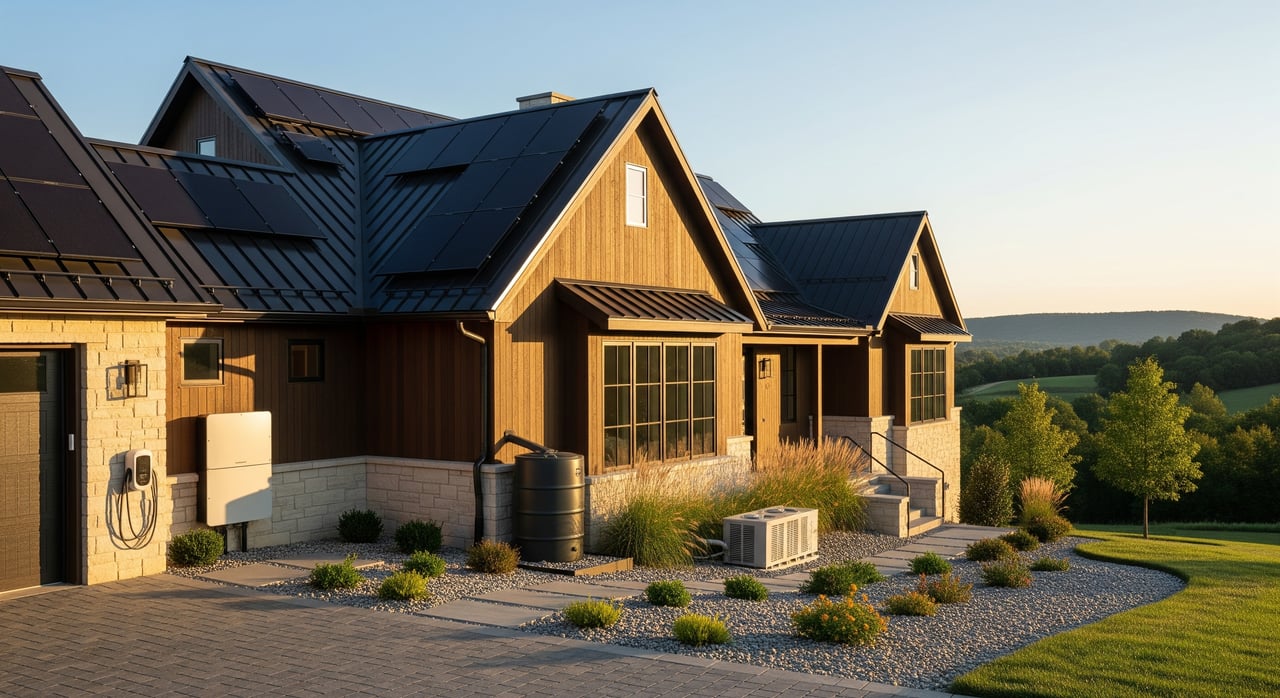
- Solar PV and batteries. Evaluate after efficiency upgrades so you can right-size the system and review local rules with your installer.
When you are ready to prioritize projects or want referral-ready pros in Greenback and nearby communities, reach out to Mandy B. Street for local guidance, contractor introductions, and a plan that supports your long-term goals.
Looking to sell soon or want to understand which upgrades will help your value? Let’s talk through your options and timing. Connect with Mandy B. Street for neighborhood-specific advice and a smooth path from project to payoff.
FAQs
What energy upgrades work best in Greenback’s climate?
- Air sealing with attic insulation, smart thermostats, and an HVAC tune-up are typically the most cost-effective first steps in 37742’s mixed-humid climate.
Will a heat pump work for my East Tennessee home?
- Yes, modern air-source heat pumps perform well in Tennessee when sized and installed correctly by experienced technicians.
How do I find rebates for 37742?
- Check your utility provider, search DSIRE by ZIP code, review TVA EnergyRight if applicable, and confirm current IRS and DOE guidance for federal tax credits.
Do I need permits for these upgrades?
- Many HVAC, electrical, and major insulation or roofing changes require permits, so confirm requirements with your contractor or local building department.
How do energy upgrades affect resale in Greenback?
- Documented efficiency improvements and lower utility costs can increase buyer interest and help your home stand out when supported by credible records.