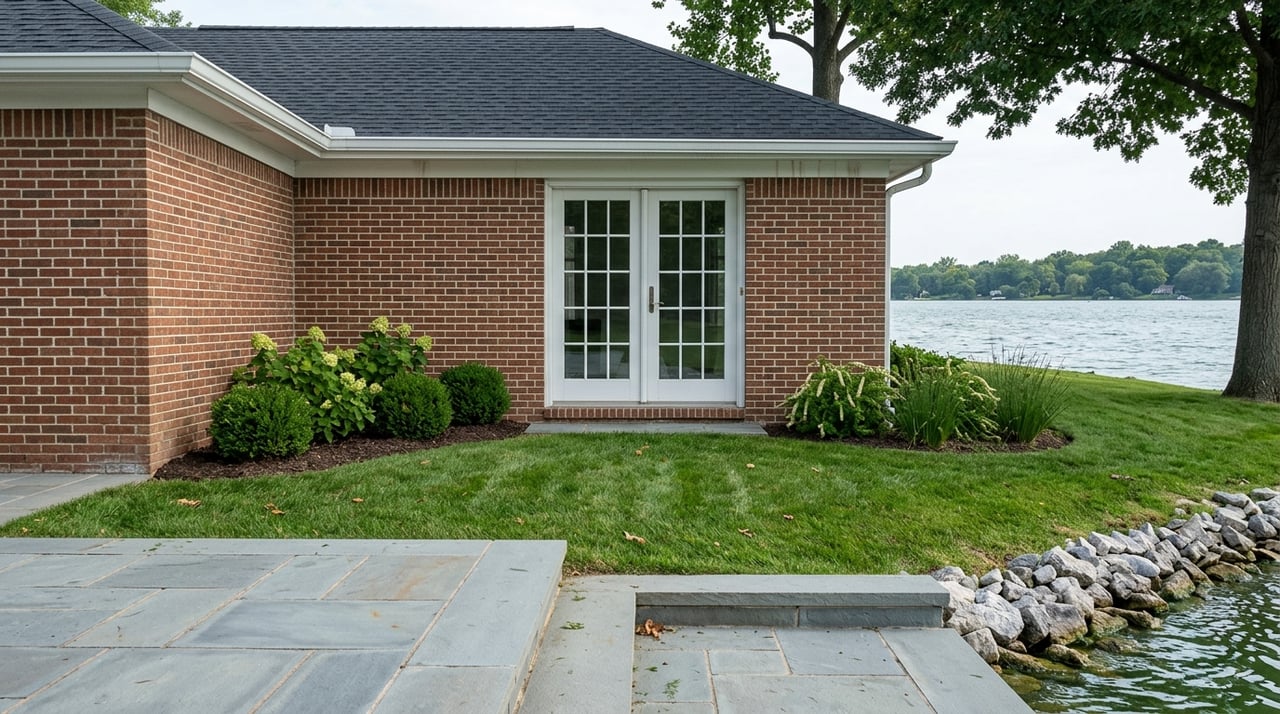
If you are dreaming about waking up to water views in Louisville, you are not alone. Lakefront homes and lots in this part of Blount County offer a rare mix of scenery, recreation, and build potential, but they also come with important details that can affect what you can actually do with a property. This guide will help you understand how the Louisville lake market works, what to verify before you buy, and how to spot the difference between a pretty listing and a truly strong waterfront opportunity. Let’s dive in.
Why Louisville Draws Lake Buyers
Louisville sits along Fort Loudoun Reservoir on the Tennessee River, in a part of Blount County known for lake-oriented residential and agricultural land. For many buyers, that means a quieter setting with easy access to the water and a strong connection to outdoor living.
Fort Loudoun Reservoir is a major part of what shapes this market. According to the Tennessee Wildlife Resources Agency, it covers about 14,600 acres, stretches 55 miles upstream, and includes roughly 360 miles of shoreline. TWRA also notes that water levels normally fluctuate only about six vertical feet each year, which can matter when you are thinking about shoreline use, dock access, and how a property functions over time.
TVA also identifies Fort Loudoun as a popular place for boating, bass fishing, and birdwatching. If your goal is not just to own property near the water but to actually use the lake as part of daily life, Louisville has a lot to offer.
What You Will Find in Louisville
One of the biggest mistakes buyers make is assuming every waterfront listing means the same thing. In Louisville, lake property usually falls into a few different categories, and the differences matter.
Lakefront homes
These are properties with direct frontage on the reservoir. Some may include existing shoreline improvements or docks, but buyers should never assume those features are fully approved or transferable without checking the records.
Vacant lakefront lots
These lots can be appealing if you want to build a custom home, but buildability is not guaranteed just because a parcel touches the water. Septic suitability, slope, setbacks, and flood-related limits can all affect what you can do.
Lake-view lots
A lake view can be beautiful, but it is not the same as lakefront. Some elevated lots have strong views without direct shoreline control, and they still need the same due diligence on soils, access, and permits.
Lake-access properties
Some homes and lots rely on shared access, private roads, common driveways, or property owners association arrangements. In Blount County, these setups are common enough that buyers should treat them as a normal part of the market, not a red flag by default.
Why Usable Land Matters More Than Acreage
When you shop for lake property, the total acreage does not tell the whole story. What matters more is how much of that land is actually usable for a home site, septic area, driveway, and outdoor space.
Blount County subdivision rules show why this matters. Typical minimum lot sizes are about 30,000 square feet outside development hindrance areas, 35,000 square feet for lots with private wells, and 2.5 acres for lots that need percolation soils testing for Environmental Health approval.
Slope also matters. The county says lots with slopes between 30% and 50% need one acre of usable area for septic reserve, while lots where most of the land is above 50% slope need two acres of usable area.
On top of that, some parts of a lot may not count the way you expect. Floodways, flood-hazard zones, water-body setbacks, flag stems, and certain rock outcrops can limit how land is used. That is why a smaller parcel with better topography can be more practical than a larger tract with more restrictions.
Key Questions to Ask Before You Offer
A waterfront purchase should come with more questions than a typical home search. The right due diligence can save you from expensive surprises later.
Is the dock or shoreline work approved?
TVA regulates shoreline construction and alterations on Fort Loudoun Reservoir. That includes not only new docks, but even minor changes to existing shoreline structures.
TVA also states that permits do not automatically transfer when a property changes hands. A new owner must apply for a Section 26a permit within 60 days of closing. If there is a dock, ramp, walkway, shoreline stabilization, or any work between the lot and the water, you should verify that what exists on site matches the permit history.
Is the lot buildable for septic?
For vacant land, this is one of the most important checks. In Tennessee, a septic permit should be obtained before dirt work or building-pad work begins.
TDEC also says that if land will be divided into two or more lots for future construction with septic, a subdivision evaluation may be required, including a survey and soils map prepared by a licensed soils consultant. This is especially important for buyers considering future lot splits or development plans.
Is any of the property in a floodway or flood-prone area?
Blount County rules state that land within a floodway cannot be platted for residential occupancy or used as a building site. Other flood-prone land must meet county floodplain standards and be brought to a flood-free site without increasing flood heights.
That means you should look beyond listing photos and marketing language. A survey, elevation information, soils review, and permit history can tell you much more about the property’s true potential.
Will flood insurance apply?
Flood insurance is separate from homeowners insurance. FEMA notes that homes in high-risk flood areas with government-backed mortgages are generally required to carry flood insurance, and lenders may also require it in other cases.
Even if a home feels safely above the water at first glance, the flood map and lender requirements can still affect your monthly costs. That is worth reviewing early in the process.
How is access maintained?
If a property is served by a private road or common driveway, ask how maintenance is handled. Blount County requires POA documents when more than two lots are served by private roads, and plats must address maintenance of common areas and those roads.
This is especially relevant for lake-access communities and tucked-away waterfront lots. You want to know who maintains the road, how costs are shared, and whether access terms are clearly documented.
Lifestyle Features That Add Appeal
Part of Louisville’s lake appeal comes from the surrounding recreational access, not just the homes themselves. Public amenities help support year-round enjoyment of the area and can add to the value buyers see in the location.
Louisville Point Park
Louisville Point Park is a 16-acre TVA-owned park maintained by Blount County. The current parks plan says it includes lake access for fishing, swimming, and boating, along with a boat ramp, pavilion, picnic areas, playground, sand volleyball court, horseshoe pits, and parking.
Poland Creek Campground and Recreational Area
This TVA-owned property is leased to the Town of Louisville. The town’s parks plan says it offers 35 campsites, with 32 providing electrical access, plus water views, swimming, fishing, a floating dock, and ramp access.
Fishing and boating access
TWRA says Fort Loudoun is used extensively for fishing and other aquatic recreation, with several access points across the reservoir. It highlights bass, crappie, catfish, sauger, and walleye among the main species found there.
For buyers who want more than a nice view, these nearby amenities help reinforce the everyday lifestyle that makes lake property in Louisville so appealing.
What Strong Lake Properties Usually Have
Not every waterfront property offers the same long-term value. In Louisville, the strongest opportunities often share a few practical traits.
Look closely for these features:
- Documented dock or shoreline permit status
- Enough usable land outside flood and septic constraints
- Access that is clear and legally documented
- Shoreline conditions that appear stable
- Views less likely to be blocked by future changes nearby
- A lot layout that supports the kind of home you want to build or buy
These points may not sound as exciting as a sunset photo, but they often make the biggest difference in how satisfied you feel after closing.
A Smart Way to Shop Lakefront Homes and Lots
If you are serious about buying in Louisville, it helps to approach the process in a clear order. That is especially true if you are comparing both homes and vacant lots.
Start with your real goal
Ask yourself whether you want direct water access, a water view, a build site, or simply a home near the lake lifestyle. Your answer will shape everything from budget to due diligence.
Narrow down property type
Separate true lakefront, lake-view, and lake-access options as you search. This makes it easier to compare properties fairly and avoid paying lakefront pricing for something that does not offer the same rights or features.
Verify permits and physical constraints early
Before getting emotionally attached, confirm dock status, septic feasibility, flood concerns, slope, and access details. The earlier you identify issues, the better your negotiating position will be.
Review the property with a local expert
Lake property is rarely a one-size-fits-all purchase. A local agent with lot and construction knowledge can help you evaluate not just how a property looks today, but how it may function for you over time.
Buying lakefront property in Louisville can be incredibly rewarding when you go in with the right expectations and the right information. Whether you are looking for an existing waterfront home, a lot for new construction, or a property with shared lake access, the smartest move is to focus on usable land, verified permits, and how the property will actually support your goals. If you want clear, local guidance as you explore Louisville lakefront homes and lots, connect with Mandy B. Street for knowledgeable help rooted in Blount County experience.
FAQs
What should you verify before buying a lakefront home in Louisville, TN?
- You should verify TVA permit history for docks or shoreline work, flood and elevation details, access terms, and whether the property has any septic or site limitations.
Can you assume a lakefront lot in Louisville, TN is buildable?
- No. A lakefront lot still needs to meet septic, slope, floodplain, and county permitting requirements before you can assume it is suitable for building.
Do dock permits transfer with waterfront property in Louisville, TN?
- No. TVA says shoreline permits do not automatically transfer at closing, and the new owner must apply for a Section 26a permit within 60 days.
Why does usable acreage matter for Louisville, TN lake lots?
- Usable acreage matters because slope, flood-hazard areas, setbacks, and septic reserve needs can reduce how much of a parcel can actually support a home site and related improvements.
What recreation is available near Fort Loudoun Reservoir in Louisville, TN?
- Buyers can enjoy boating, fishing, swimming, birdwatching, public park access, a boat ramp at Louisville Point Park, and additional access at Poland Creek Campground and Recreational Area.